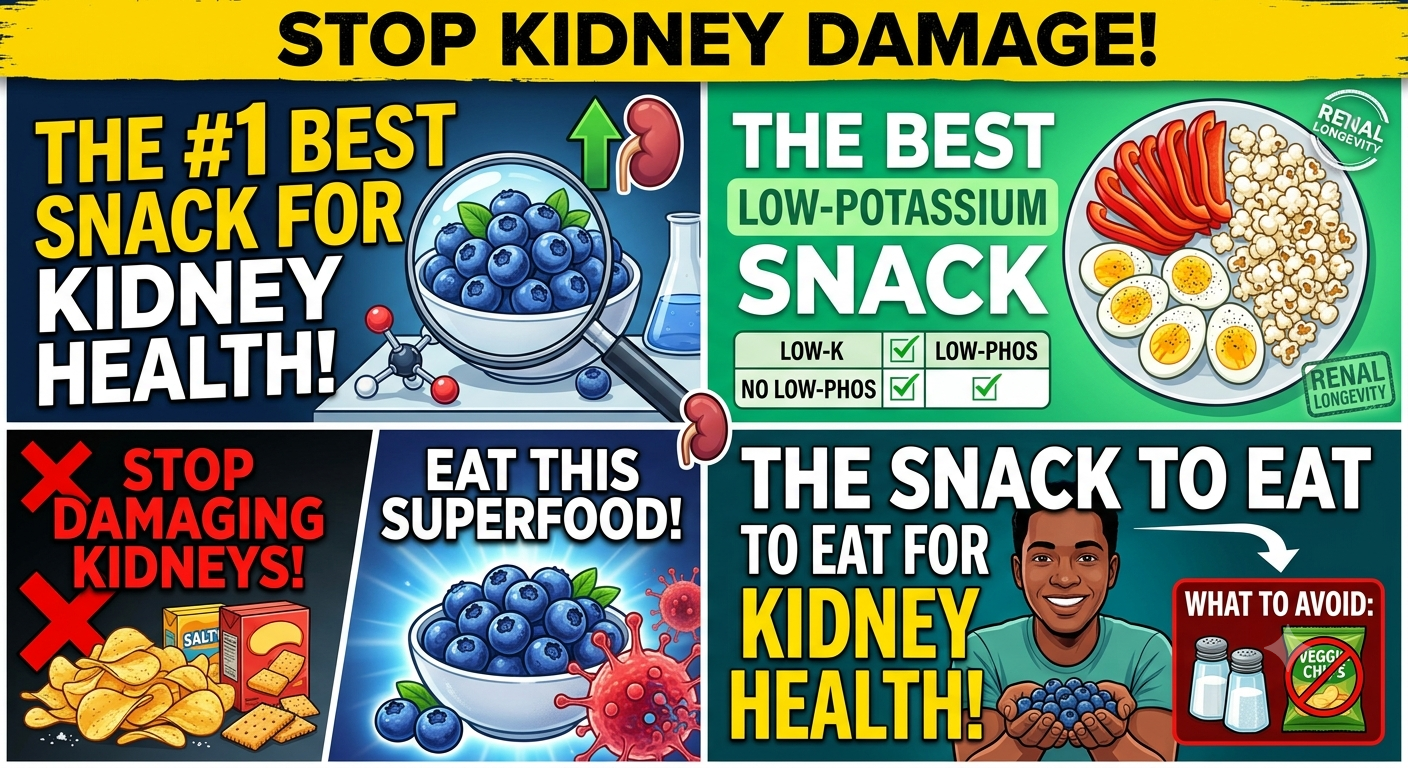
The #1 Best Snack to Eat for Kidney Health, According to Science
The human kidneys are quiet, tireless filters. Every single day, they process roughly 200 quarts of blood, sifting out metabolic waste, extra fluids, and toxic impurities to keep your internal environment perfectly balanced. However, unlike the liver, which can regenerate after damage, the kidneys are composed of delicate nephrons that, once compromised by chronic inflammation, high blood pressure, or diabetes, cannot easily be repaired.
For years, dietary conversations surrounding Chronic Kidney Disease (CKD) or general renal longevity focused entirely on strict elimination. Patients were handed intimidating lists of forbidden foods, leaving them feeling anxious and deprived. But modern nutritional science has shifted toward proactive, functional intervention.
The primary goal is no longer just avoiding harm; it is about providing the body with specific, anti-inflammatory compounds that actively support endothelial function, reduce systemic oxidative stress, and ease the workload on these vital organs.
Snacking presents a unique challenge in this dietary framework. Standard Western snack options—such as potato chips, processed crackers, protein bars, and sodium-laden nuts—are packed with invisible structural hazards for the kidneys. They overload the bloodstream with precise elements that damaged or overworked kidneys struggle to clear:
- Sodium: Constricts blood vessels, spiking renal blood pressure.
- Excess Protein: Creates a heavy burden of urea waste.
- Inorganic Phosphorus Additives: Which are highly absorbable and rapidly degrade bone and vascular health.
To counteract this, the ideal renal snack must function as a therapeutic tool. It must deliver satisfying textures and flavors while keeping metabolic waste products to an absolute minimum.
The Undisputed Champions: Fresh Organic Blueberries
When evaluated under the strict parameters of renal optimization, one snack consistently outpaces all others: fresh organic blueberries.
[Systemic Inflammation] ---> Anthocyanins ---> [Reduced Oxidative Stress in Nephrons]Often classified as a premier superfood, the blueberry’s status in renal nutrition is backed by an exceptionally favorable nutritional profile that accommodates the delicate mineral balance required by the kidneys.
The Perfect Micronutrient Profile
Medical professionals and renal dietitians evaluate kidney-safe foods using three major nutritional benchmarks: sodium, potassium, and phosphorus. Blueberries score incredibly well across all three. A standard one-cup (148-gram) serving of fresh blueberries delivers:
- Sodium: \approx 1.5 \text{ mg} (Virtually non-existent, preventing fluid retention).
- Potassium: \approx 114 \text{ mg} (Safely categorized as a low-potassium food).
- Phosphorus: \approx 18 \text{ mg} (Extremely low, protecting bone-mineral density).
For individuals managing advanced stages of CKD, where potassium and phosphorus filtration are severely impaired, finding a snack that satisfies a sweet craving without triggering hyperkalemia (high blood potassium) or hyperphosphatemia (high blood phosphorus) is a game-changer.
The Anthocyanin Effect: Deep Cellular Defense
The deep blue hue of the blueberry is caused by high concentrations of anthocyanins, a specific class of flavonoids with potent antioxidant and anti-inflammatory properties.
Within the kidneys, chronic inflammation damages the glomeruli—the micro-filtration units responsible for cleaning the blood. Anthocyanins work at a cellular level to neutralize free radicals, suppress pro-inflammatory cytokines, and protect these delicate renal blood vessels from oxidative degradation.
Metabolic and Glycemic Support
Kidney disease does not exist in a vacuum; it is frequently driven by underlying metabolic conditions like Type 2 diabetes and insulin resistance. High blood sugar damages the kidneys’ internal filtration systems over time.
Blueberries possess a low glycemic index (GI), meaning they provide a slow, controlled release of glucose into the bloodstream rather than a sharp spike. Furthermore, the specific dietary fibers found in blueberries help optimize the gut microbiome. A healthy gut reduces the production of gut-derived uremic toxins, directly lightening the metabolic clearance burden placed on the kidneys.
4 Powerhouse Alternatives to Diversify Your Plate
While blueberries hold the top spot, maintaining variety is essential for long-term dietary success. Incorporating a balance of different textures and flavors ensures your body receives a wide range of protective phytonutrients without overloading on restricted minerals.
The following four alternative snacks offer exceptional, clinically sound support for renal health.
                     ╔═════════════════════════════════╗
                     ║   Top Renal-Friendly Snacks     ║
                     ╚═════════════════════════════════╝
                                      │
         ┌────────────────────────────┼────────────────────────────┐
         ▼                            ▼                            ▼
  [Red Bell Peppers]           [Egg Whites]                [Cauliflower]
  Low-K, High Vitamin C       Pure, Low-Phos Protein        Low-Potassium Potato Swap
1. Sliced Red Bell Peppers with House-Made Hummus
Red bell peppers are an absolute asset to a kidney-focused diet. Unlike many other bright vegetables, they are remarkably low in potassium while providing rich, savory flavor and crunch.
- The Nutritional Payoff: A single cup of raw red bell peppers delivers an impressive dose of Vitamin A and Vitamin C, alongside lycopene—a powerful antioxidant that supports cardiovascular health and smooth blood flow.
- The Preparation Key: Pair them with a small, measured portion of low-sodium, homemade chickpea hummus. Standard store-bought hummus often contains excessive sodium and potassium-based preservatives, so blending your own allows you to control the mineral profile perfectly.
2. Hard-Boiled Egg Whites with Cracked Black Pepper
For individuals who need to maintain muscle mass while managing kidney issues, sourcing safe, high-quality protein can be difficult. Whole eggs are packed with nutrients, but the yolks contain concentrated amounts of phosphorus, which can overtax compromised kidneys.
- The Nutritional Payoff: Egg whites provide pure, high-biological-value protein with virtually no phosphorus. Two large egg whites deliver roughly 7 grams of clean protein, only 10 milligrams of phosphorus, and a modest 110 milligrams of sodium.
- The Preparation Key: Discard the yolks after boiling, slice the whites, and season them generously with cracked black pepper, smoked paprika, or fresh chives. This provides a satisfying, savory snack that completely avoids the need for table salt.
3. Air-Popped Popcorn Seasoned with Olive Oil and Garlic Powder
When the craving for a crunchy, salty snack like potato chips strikes, standard options can introduce dangerous amounts of sodium and potassium into your system. Air-popped popcorn offers an excellent, fiber-rich alternative.
- The Nutritional Payoff: Natural corn kernels are naturally low in sodium and contain beneficial whole-grain fiber that supports steady blood sugar management.
- The Preparation Key: Skip the commercial microwave bags, which are often loaded with trans fats and artificial sodium chemical structures. Instead, use a basic air-popper or stove-top method. Lightly mist the popped kernels with extra virgin olive oil—introducing healthy, anti-inflammatory monounsaturated fats—and dust them with garlic powder or onion powder for a robust, savory finish.
4. Roasted Cauliflower Florets with Turmeric
Cauliflower is incredibly versatile and serves as one of the most powerful cruciferous vegetables for renal support. It acts as a fantastic low-potassium, low-phosphorus alternative to starchier snacks like potatoes.
- The Nutritional Payoff: Cauliflower is packed with Vitamin K, folate, and rich dietary fibers, alongside specialized compounds that assist the liver and kidneys in neutralizing systemic toxins.
- The Preparation Key: Toss raw cauliflower florets in a small amount of cold-pressed avocado oil, dust them with anti-inflammatory ground turmeric, and roast them at 200^\circ\text{C} (392^\circ\text{F}) until the edges turn golden and crisp. This creates a warm, deeply comforting snack that satisfies savory cravings safely.
Strategic Mineral Management: The Golden Rules
To build long-term renal health, you must learn to navigate the core nutritional components that dictate how much stress is placed on your kidneys. Balancing these four key targets creates a protective barrier for your filtration system.
1. The Potassium Balance
Potassium is crucial for keeping your heart rhythm steady and your muscles functioning properly. However, when kidney function declines, excess potassium can build up in the blood, leading to dangerous cardiac complications.
| Potassium Tier | Content Per Serving | Common Food Examples |
|---|---|---|
| High (Avoid/Limit) | > 200 \text{ mg} | Avocados, Bananas, Potatoes, Tomatoes, Oranges |
| Low (Preferred) | < 150 \text{ mg} | Blueberries, Apples, Red Grapes, Raspberries, Pineapples |
2. The Sodium Threshold
Sodium acts like a sponge, pulling water into your bloodstream. Too much sodium increases blood volume, forcing your heart to pump harder and spiking the pressure within the delicate vessels of your kidneys.
For optimal renal protection, aim to keep your total daily sodium intake below 2,300 milligrams, with individual snacks staying under 140 milligrams per serving. Always swap out standard table salt for fresh garlic, lemon juice, or aromatic herbs to protect your blood pressure.
3. The Phosphorus Dynamic
Phosphorus is a mineral essential for maintaining strong bones, but failing kidneys can struggle to clear it from the body. High phosphorus levels pull calcium out of your bones, leaving them weak while dangerously calcifying your blood vessels and heart tissue.
It is vital to distinguish between natural organic phosphorus (found in plant foods and grains, which the body only partially absorbs) and inorganic phosphorus additives. Check ingredient labels carefully and avoid anything containing words like “monocalcium phosphate” or “disodium phosphate,” as these artificial additives are absorbed completely and rapidly by the body.
4. The Protein Calculator
While getting enough protein is necessary to prevent muscle wasting, excessive protein intake creates a high volume of nitrogenous waste products. This forces the kidneys to work significantly harder to clear the debris.
Standard dietary guidelines suggest a baseline target of 0.8 grams of protein per kilogram of body weight daily for adults not on dialysis. Focus on high-quality, clean plant-based proteins or lean options like egg whites to meet your needs without overloading your filtration system.
3 Traps in Common “Healthy” Packaged Snacks
Many snacks marketed as health foods can be surprisingly damaging to anyone prioritizing kidney health. Here are three major traps to avoid when browsing the grocery store aisles.
1. Commercial Nut Mixes and Seed Blends
- The Hidden Risk: Raw almonds, walnuts, pumpkin seeds, and peanuts are highly celebrated sources of healthy fats and plant proteins. However, they are naturally rich in both potassium and phosphorus. When commercially roasted, they are also typically coated in large amounts of refined sodium.
- The Safe Alternative: If you want to include nuts in your diet, limit your portion to a small handful of raw, completely unsalted macadamia nuts or pecans, which naturally carry a much lower mineral burden.
2. Protein Bars and Meal-Replacement Shakes
- The Hidden Risk: Modern protein bars frequently rely on whey protein concentrates or soy isolates, which naturally carry high phosphorus levels. To extend shelf life and improve texture, manufacturers regularly fortify these bars with inorganic potassium and phosphorus chemical additives.
- The Safe Alternative: Look for specialized, low-protein, whole-food energy bites made with simple ingredients like rolled oats, unrefined coconut oil, and low-potassium dried cranberries.
3. Veggie Chips and Vegetable Straws
- The Hidden Risk: Despite their green packaging and healthy marketing, most commercial veggie chips are made primarily from dehydrated potato starch or potato flour. This means they remain incredibly high in potassium while delivering a massive dose of processed sodium per serving.
- The Safe Alternative: Skip the processed bags entirely and make your own crunchy snacks by baking fresh kale leaves or thin cucumber slices lightly misted with olive oil and seasoned with garlic powder.
Blueprint for a Balanced Renal Menu
To make these principles easy to implement, use this practical snack matrix to build out your weekly grocery list. It provides delicious, kidney-safe options tailored to different flavor profiles and cravings.
Sweet & Refreshing Options
- The Berry Mix: A \frac{1}{2}-cup blend of fresh blueberries, raspberries, and blackberries, lightly chilled.
- Apple Wedges with Cinnamon: Crisp, thinly sliced organic apples dusted with pure ground cinnamon. (Cinnamon adds natural warmth and sweetness without the need for added refined sugars).
- Frozen Red Grapes: Keep a bowl of red grapes in your freezer for a sweet, refreshing treat. The freezing process creates a satisfying, sorbet-like texture.
Savory & Crunchy Options
- Cucumber Discs with Cream Cheese: Crisp cucumber slices topped with a small smear of whipped, low-sodium cream cheese and fresh dill.
- Unsalted Rice Cakes with Low-Sodium Almond Butter: A single brown rice cake lightly spread with a measured teaspoon of natural, unsalted almond butter.
- Radish Slices with Olive Oil Drizzle: Thinly sliced red radishes seasoned with cracked black pepper and a few drops of high-quality extra virgin olive oil.
Hydration: The Vital Complement to Smart Snacking
No discussion of renal nutrition is complete without addressing hydration. The specific snacks you eat work hand-in-hand with the fluids you consume to help your kidneys filter waste effectively.
                 💧 OPTIMAL RENAL HYDRATION 💧
                               │
         ┌─────────────────────┴─────────────────────┐
         ▼                                           ▼
  [Pure Structured Water]                     [Fresh Lemon Water]
  Cleanses metabolic waste                    Citrate helps inhibit
  without mineral overload.                   kidney stone formation.
Pure Water vs. Enhanced Beverages
Drinking enough pure, filtered water is the single most effective way to help your kidneys flush out metabolic waste and prevent the crystal formations that lead to kidney stones.
Be cautious with commercial sports drinks, flavored waters, and enhanced energy beverages. These are frequently loaded with hidden potassium salts, sodium preservatives, and refined sugars that can quickly undo the benefits of your healthy snack choices.
The Benefits of Citrus Infusions
Adding a squeeze of fresh lemon or lime juice to your water is a fantastic, kidney-friendly upgrade. Citrus fruits are rich in natural citrates, compounds that bind to calcium in your urine. This binding action helps block the development and growth of calcium oxalate crystals, offering an easy and effective defense against painful kidney stones.
Designing a Kidney-Friendly Kitchen
Transforming your health starts with reshaping your immediate environment. By consciously organizing your kitchen, you can make healthy choices effortless. Use these practical guidelines to build a space that supports long-term kidney vitality.
What to Toss Out
- The Salt Shaker: Remove the standard table salt shaker from your kitchen table and stovetop counter. Replacing it eliminates the habit of mindlessly adding extra sodium to your meals.
- Processed Seasoning Blends: Discard pre-made garlic salt, onion salt, taco seasonings, and commercial bouillon cubes. These products are almost always loaded with high concentrations of sodium and chemical preservatives.
- Canned Soups and Vegetables: Standard canned goods are heavily salted to extend their shelf life. If you do use canned beans or vegetables, make sure to drain them thoroughly and rinse them under cold water for at least 60 seconds to wash away a significant portion of the surface sodium.
What to Keep Stocked
- A Robust Herb Garden: Keep a variety of fresh herbs—like parsley, cilantro, basil, rosemary, and dill—handy in your kitchen. These fresh greens add vibrant color and deep flavor to your dishes, making it easy to forget about salt entirely.
- Pungent Alliums: Keep fresh garlic bulbs, shallots, and onions stocked at all times. When sautéed in a little olive oil, these alliums form a rich, delicious base for savory recipes while delivering excellent anti-inflammatory support.
- Acidic Brighteners: Keep plenty of fresh lemons, limes, and high-quality apple cider vinegar on hand. A splash of fresh acid right before serving brightens up flavors beautifully, perfectly mimicking the flavor-enhancing effects of sodium.
The Big Picture: A Mindful Approach to Renal Wellness
Protecting your kidney health is an ongoing journey built on consistent, intentional daily choices rather than extreme, stressful restrictions. Every time you choose a handful of fresh blueberries over a bag of processed chips, you are actively reducing the workload on your nephrons and providing your body with powerful tools for cellular repair.
Because everyone’s body is unique, kidney health strategies must be tailored to the individual. Your specific nutritional targets for potassium, phosphorus, and protein will vary depending on your overall metabolic health and your current stage of kidney function. Always work closely with a registered renal dietitian or your healthcare team to customize these principles into a personalized plan that fits your body’s exact needs.
Take control of your health by focusing on vibrant, whole-food choices. By stocking your kitchen with nutrient-dense options and embracing the science of smart snacking, you can protect your kidneys, boost your daily energy, and enjoy a vibrant life for years to come.